Friday 16th October 2026
From Breakfast to Bone Health: The Recipe for Stronger Bones

Your bones support you everyday so they deserve a little care. We have teamed up with the Royal Osteoporosis Society to share our knowledge on eating well to support your bones. Find out what they had to say.
Are you eating well for your bones?
Your bones support you every single day, so we think they deserve a little care in return.
The food we eat plays a vital role in keeping our bones healthy and strong. And while you might associate bone health issues with older age, the reality is that supporting your bones should be a lifelong habit – and it’s never too late to start!
What is osteoporosis?
Osteoporosis is a condition where bones become weaker and break easily after a minor bump or fall. In some cases, they could even break after a cough or a hug from a loved one.
Around 3.5 million people are living with osteoporosis in the UK right now and 1 in 2 women, and 1 in 5 men over the age of 50, will break a bone because of the condition in their lifetime.
There are lots of risk factors for developing osteoporosis – a lack of key vitamins and nutrients being just one of them.
What happens to your bones as you get older?
Right now, inside your bones, older, worn-out bone tissue is being broken down by specialist cells called osteoclasts and rebuilt by bone-building cells called osteoblasts.
Up until about the age of 35, there is usually a balance between the amount of bone being removed, and the amount of bone being laid down. This process is called bone remodelling and, as long as it’s in balance, your bones stay healthy and strong.
However, during our late 30s, this balance tips. More bone tissue is removed, and the total amount of bone tissue starts to decrease.
The outer shell of the bone thins, and the struts that make up the structure inside the bone also become thinner. The older you get, the more bone tissue you lose. This is why broken bones become more likely with age – but they’re not inevitable.

So, what should we be eating?
Eating a healthy, balanced diet can help you get all the nutrients you need to keep your bones strong. This includes calcium, vitamin D and other vitamins and minerals.
Calcium is one of the most important minerals for healthy bones. Around 99% of the body's calcium is stored in our skeleton, where it helps provide strength and structure.
Calcium is measured in milligrams (mg) and most adults need 700mg of calcium a day, including if you're pregnant.
If you're at risk of osteoporosis or taking an osteoporosis medicine, your doctor may advise you to increase your intake to around 1,000mg of calcium a day. This is to make sure you're getting enough for your bones.
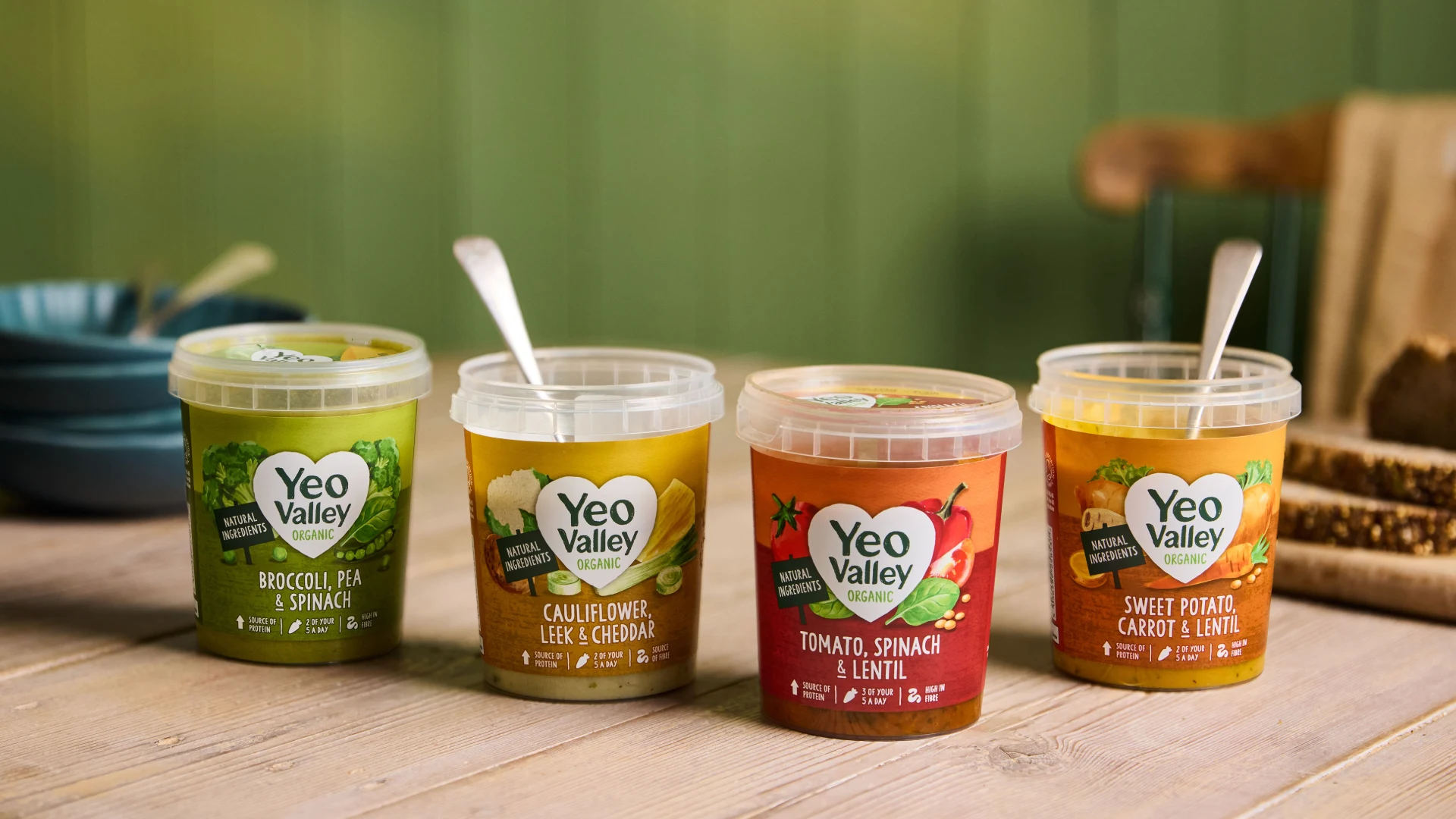
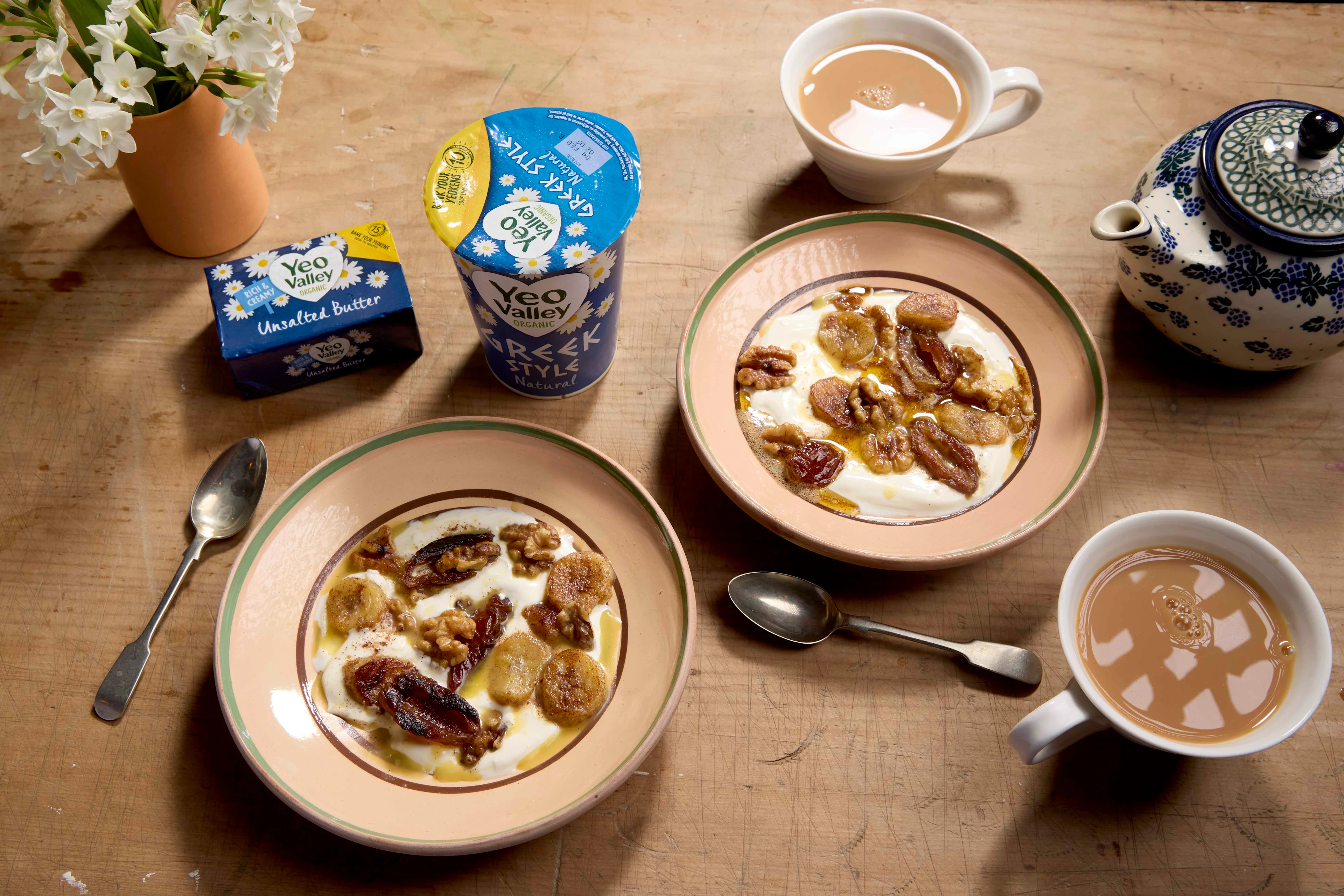
Dairy foods such as milk, yogurt and cheese are well-known sources, but calcium can also be found in, tinned sardines and pilchards (where the soft bones are eaten), beans, pulses and some green leafy vegetables like kale and spinach.
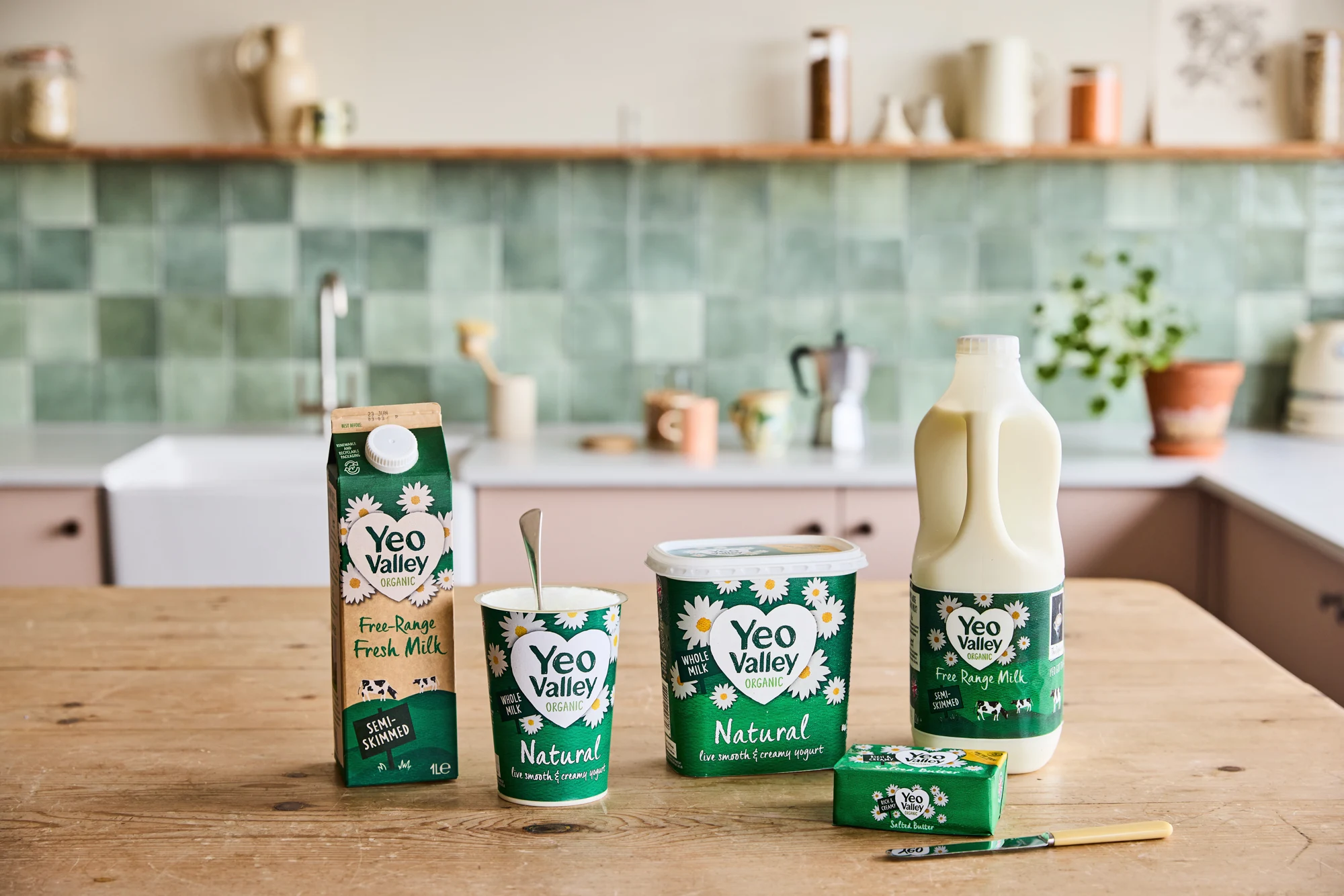
Not sure you’re getting enough? Take a look at the Royal Osteoporosis Society’s calcium food chooser or talk with a healthcare professional.
And don’t forget vitamin D! This helps your body absorb and use calcium properly. Without enough vitamin D, even a calcium-rich diet won't be as effective.
"Many people don't think about their bone health until they experience a broken bone, but maintaining good bone health starts much earlier,” says Julia Thomson, Specialist Osteoporosis Nurse at the Royal Osteoporosis Society.
“Eating a balanced diet that includes enough calcium, vitamin D and protein can help give your bones the nutrients they need throughout life. Alongside regular impact and strength exercises, not smoking and drinking alcohol within recommended limits, these healthy habits can support stronger bones for the years to come."
Are you at risk of osteoporosis and broken bones?
Take the free, 3-minute Great British Bone Check from the Royal Osteoporosis Society and start caring for your bones today.
Find out more from the Royal Osteoporosis Society.