Thursday 4th December 2025
When For What It's Earth came to Yeo Valley!

The days are shortening, the light is mellowing, and autumn has settled in with a comfortable sigh. But cast your mind back to the hazy days of summer, when sunshine lingered and the fields were buzzing with life. It was then that we (Emma and Sophie, hosts of the For What It's Earth podcast) spent two glorious days at Yeo, diving deep into the world beneath our feet.
The days are shortening, the light is low. Autumn has settled in comfortably. Back in the hazy days of summer, we (Emma and Sophie, hosts of For What It’s Earth podcast) spent two glorious days at Yeo to record a three part special series for our listeners, exploring soil health, herbal leys, regenerative farming and the dairy industry.
Below you’ll find the story of that visit and the key questions many people ask:
Why is soil so important to farming and climate?
What does regenerative organic dairy actually look like?
How do cows help build healthier ecosystems?
What can we all do to help the planet, even in smaller ways?
Digging deep: the secret life of soil at Yeo Valley
Why soil is so important (and why we sniff it)?
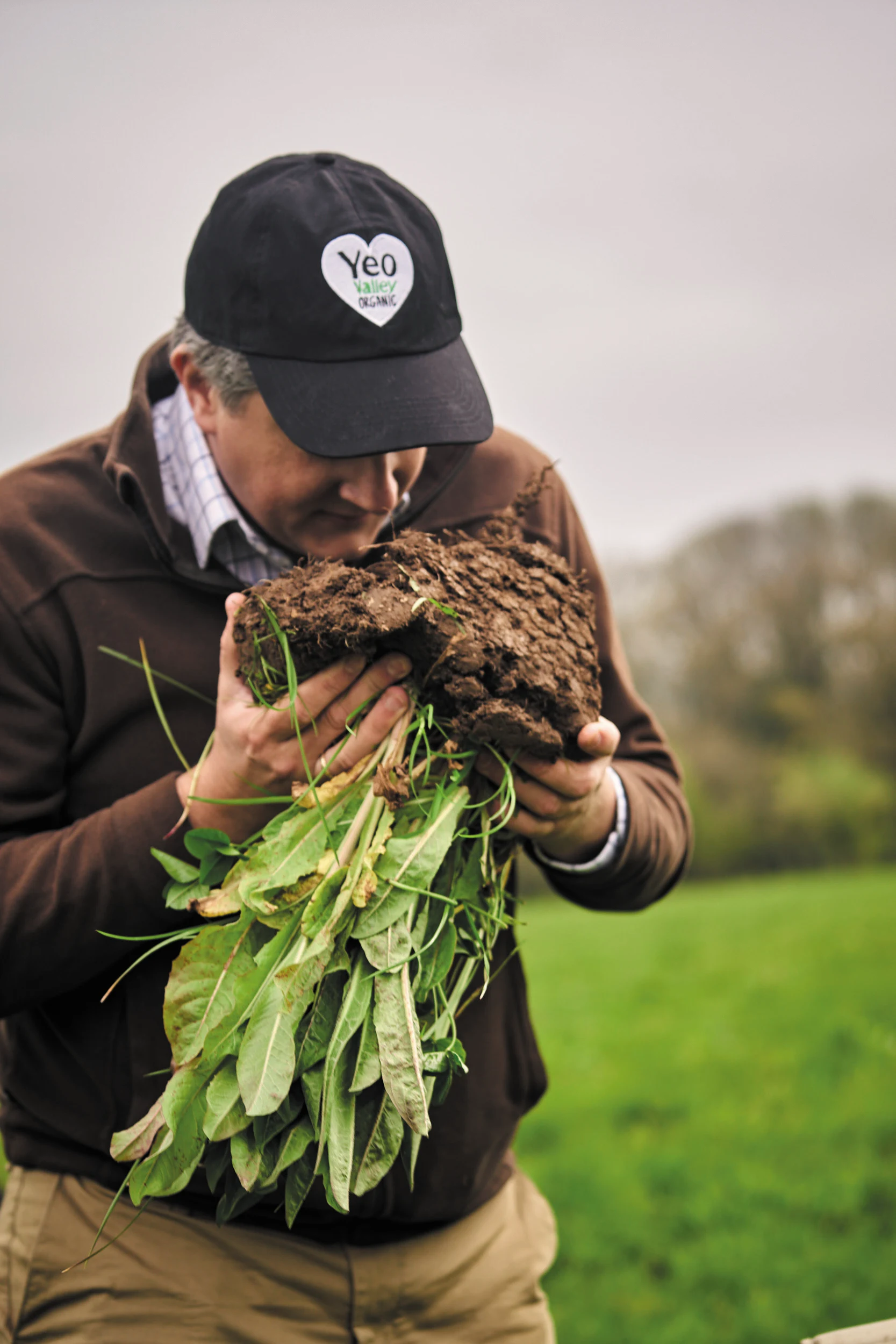
When you visit Yeo Valley’s Holt Farms, don’t be surprised if you’re handed a shovel. That’s what happened when we met Will Mayor, Yeo’s Farm Development Manager. According to Will, a teaspoon of Yeo Valley’s organic soil contains more living organisms than there are humans on this earth. That life, like bacteria, fungi, worms, and microfauna, is what drives nutrient cycling, plant health, carbon storage and water retention.
Healthy soil should:
Store carbon
Improve biodiversity
Increase resilience to drought and flooding
Boosts grass nutrition for cows
Reduces the need for synthetic fertiliser
For Will and the team, that’s why every day starts with soil. ‘Carry a spade wherever you go,’ Will advises, plunging his into the ground, adding - ‘you’ll never know when you’ll need to sniff some!’ And yes, he means that literally.
Because at Yeo Valley, soil isn’t just dirt - it’s the beating heart of everything they do. From lush grazing pastures to the iconic, creamy yogurt churning just down the lane, it all begins here.
Nature’s nitrogen factory - How organic farms create their own nitrogen, without fertiliser.
Yeo Valley Organic follows an organic, regenerative system that works with nature, not against it. It relies on plants like clover, birds-foot trefoil, and chicory to do the heavy lifting.
So, how does this work?
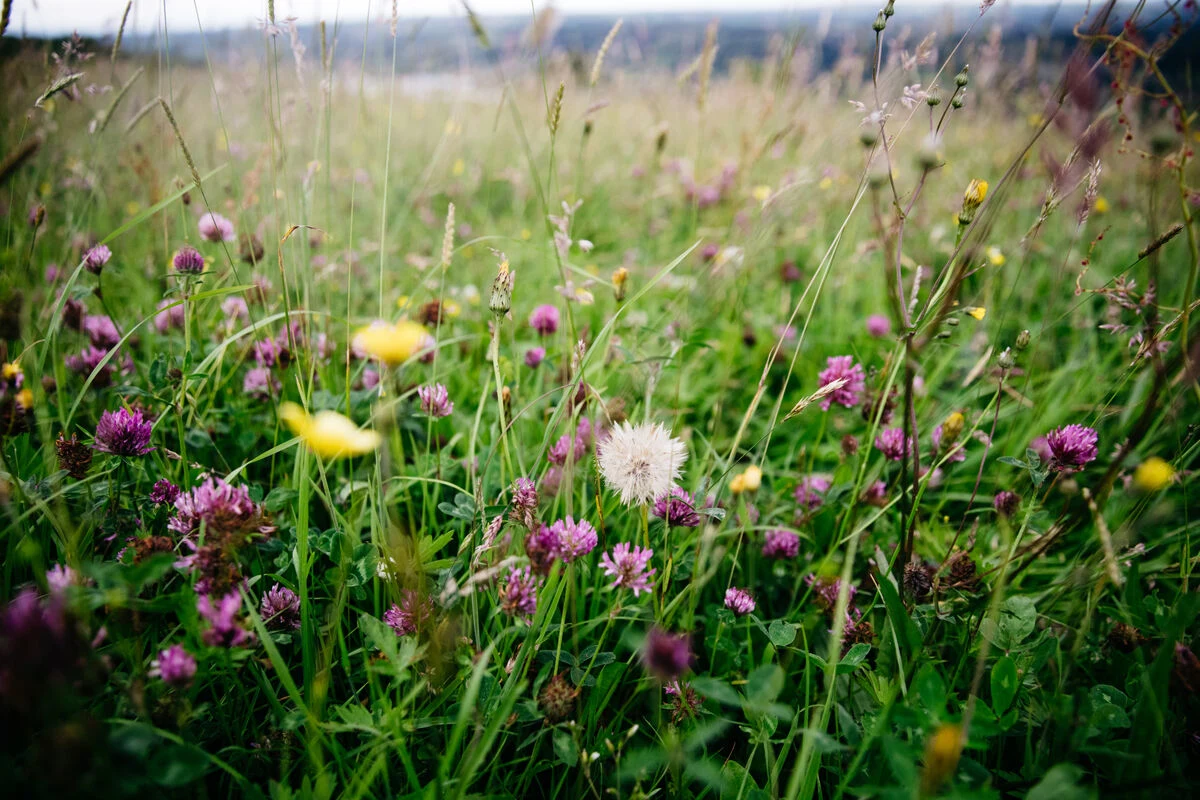
Clover ‘fixes’ nitrogen from the air into the soil, burying up to 250kg of nitrogen per hectare, if a third of the pasture is clover. Split open a clover root, and you’ll find tiny red nodules - the tiny natural factories where bacteria convert air into a feast for the plant. These are known as ‘herbal leys’. A diverse mix of grasses, legumes and herbs that support soil structure, root health and cow nutrition, creating food that’s better for the people and the planet. Will calls it a ‘systems-based approach’.
Farming the future - How regenerative farming helps in extreme weather
In a year of unpredictable weather, this kind of regenerative farming really shows its worth. Where other fields turn dry and cracked like many suffered this past summer, Yeo’s soils have had a higher chance of retaining bounce and moisture, ‘like a chocolate sponge. ’ That sponge-like structure helps water soak in rather than run off, helping to mitigate the impact of both floods and droughts alike. This falls in our favour. Extreme weather events, warmer, wetter winters and hotter, drier summers are all predicted to increase in frequency for the UK.
How do cows help build better soil?
Regenerative dairy cows play a surprising role in soil health.
Their hooves gently trample old grass, creating a natural mulch that feeds worms and locks carbon back into the earth. Every root, every blade of grass, every hoof-print helps build a stronger, more resilient ecosystem.
Will even disclosed that happy cows give their contentment away on their bodies - ’happy lines’, as he calls them - horizontal stripes across the flank of the cow indicating healthy lifestyles, excellent nutrition and low-stress lifestyles.

From sun to spoon - how organic farming feeds us
Instead of relying on fossil fuels or fertilisers, Yeo Valley Organic uses photosynthesis, root systems, grazing animals and soil biology to turn sunlight into nutrient-rich milk.
This food system is powered by nature - not chemicals. As Will says, ‘as farmers, we have a solution beneath our feet: to take carbon out of the atmosphere and return it to our soil. It’s the backbone of everything we do.’
And maybe, just maybe, that’s the real secret ingredient in every spoonful of Yeo Valley Organic yogurt.
Listen to the Full Farm tour episodes.
The latest series of For What It’s Earth podcast is sponsored by Yeo Valley Organics. For the full ‘Farm Tour’ episodes with Will; a ‘Deep Dive’ discussion into the dairy industry with Yeo’s Regenerative Farming Manager, Tom White; and an exclusive ‘Listener’s Questions’ interview about green gardening with the one and only, Sarah Mead - head over to For What It’s Earth to have a listen! And if you fancy some weekly doses of lighthearted conversations around climate, nature and sustainability, why not subscribe to the podcast and join the family?