Friday 17th January 2025
Why Choose Organic?

Our resident writer, Lizzie Rivera from ethical lifestyle hub, Live Frankly is back to answer the question, 'Why choose organic?'. Discover the benefits of organic food and why it’s so essential for your health and the environment.
If you’re reading this, there’s a good chance you already choose organic. You probably know it means “no nasties” with toxic herbicides, chemical pesticides and artificial fertilisers not permitted.
But what does organic stand for, as well as what it stands against?
Below, we’ve broken down why we believe organic farming is beneficial. Each point matters on its own, but organic is more than the sum of its parts. It’s not just about producing food, it’s about working with nature in a way that benefits us all.
Yeo Valley Organic’s Farms Development Manager, William Mayor, and Sustainability Manager, Daisy Blackhurst, explain why.
What are the benefits of organic farming?
Organic farming systems can be regenerative
“We're capturing ecosystem processes to produce food rather than trying to dominate ecosystems,” says William.
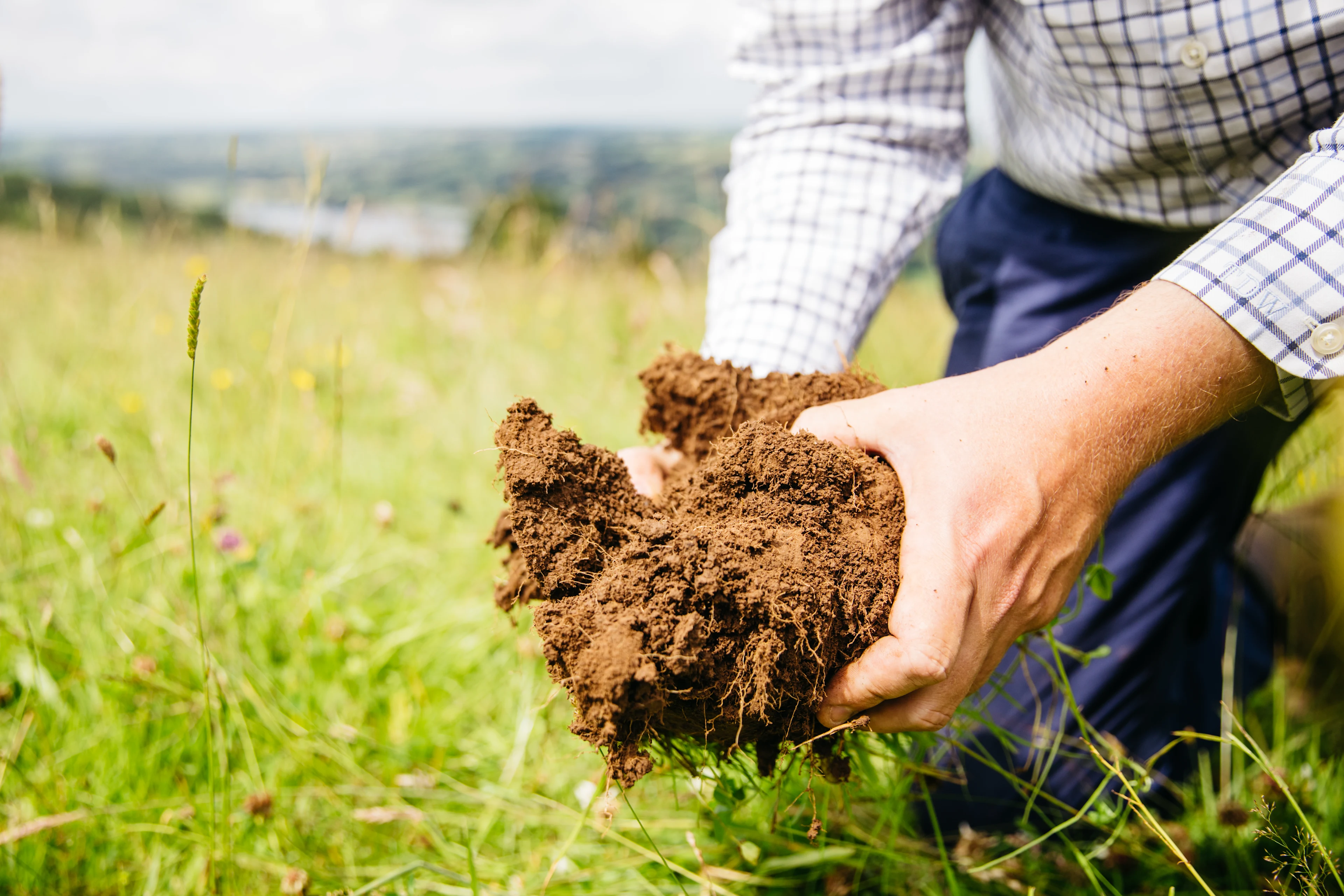
“The organic farming system was founded by Eve Balfour, whose early work focused on crop rotation to build soil health. Soil is the foundation of organic agriculture, and a strong system can regenerate biodiversity, support carbon sequestration, and improve air and water quality.”
This shows how organic farming works with nature to deliver long-term environmental benefits.
Organic is a legal standard
“Organic standards are developed through extensive consultation with experts and are enshrined in UK and European law,” explains Daisy.
“Not many people realise that organic is a legal standard. Companies are breaking the law if they sell something as organic without certification.”
In other words, when you choose organic, you’re choosing food that meets strict, regulated standards.
Organic certification covers the full supply chain
“The great thing is that organic certification applies at every stage of the supply chain,” says Daisy.
“Each company is inspected at least once a year by a certification body to ensure they meet the standards.”
This ensures integrity from farm to table, something that’s central to the organic system.

Is organic food better for your health?
“Organic is one of the best ways to avoid toxic chemicals in your food,” says Daisy.
While more research is ongoing, studies suggest organic foods can contain higher levels of antioxidants. Pasture-fed animals, like those on organic farms, may also produce meat with higher levels of omega-3 fatty acids.
Together, this highlights the potential health benefits of choosing organic.
What are the general advantages of organic food?
Organic food offers a range of benefits:
Fewer synthetic chemicals in your diet
Food produced using more natural methods
Support for soil health and biodiversity
A more sustainable way of farming
Because organic farming avoids synthetic pesticides and fertilisers, it supports cleaner, more environmentally friendly food production.
Can organic food support gut health?
“Soil is quite literally the foundation of nutrition,” Daisy explains. “More than two billion people in the world suffer from micronutrient deficiencies. Nutrient-poor soils can’t produce healthy food with all the nutrients a person needs.”
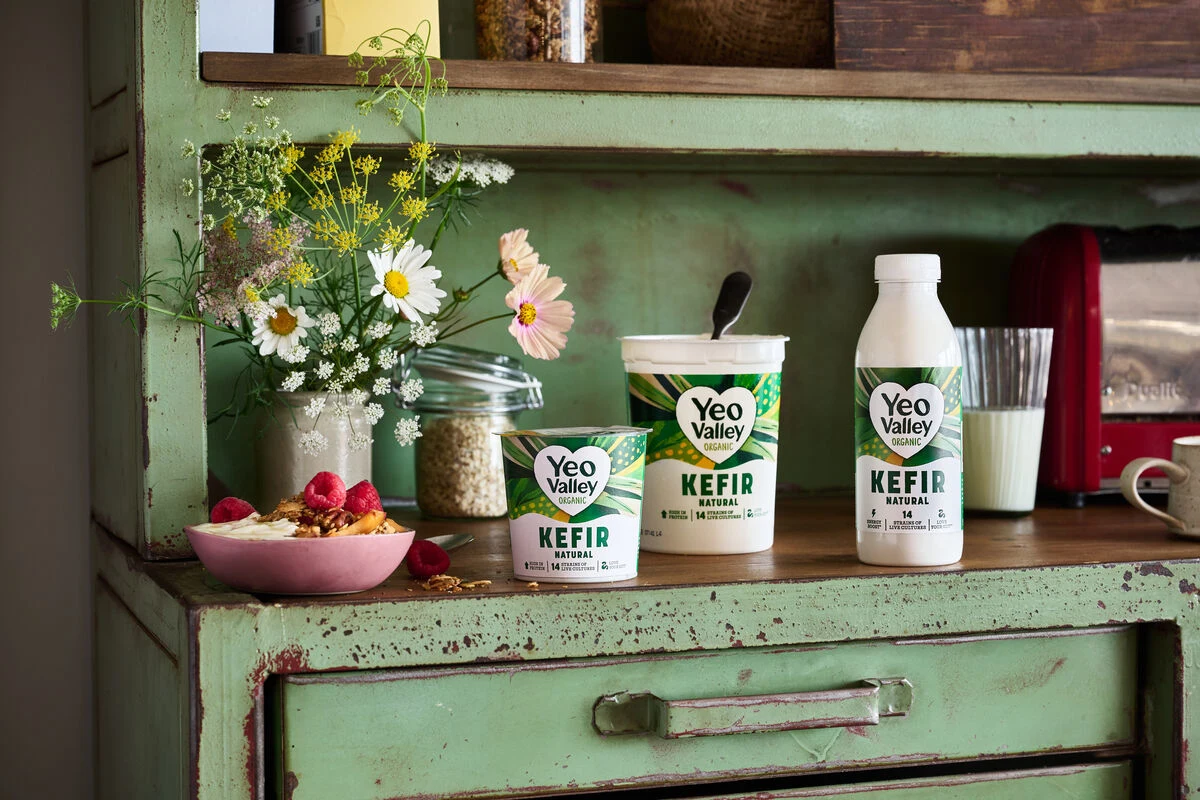
Food grown in healthier soils can help support better nutrition and in turn, a healthier gut microbiome. Adding fermented organic foods like cheese, kefir and kimchi can also provide beneficial probiotics.
How is organic food processed differently?
“When it comes to processed foods, there are additional rules,” Daisy says.
Artificial sweeteners, flavourings and anything derived from GM sources are not allowed under organic regulations. This means organic processed foods are held to the same high standards as fresh produce.
Does organic farming support animal welfare?
Organic standards require animals to have:
More space
Access to the outdoors
Conditions that support natural behaviour
This focus on animal welfare is a key part of the organic approach.
Can organic farming feed the world?
“It’s a common misconception that organic isn’t efficient,” says Will.
“I think it depends how you measure it. On my family farm, we look at total food output per hectare, not just one product. We produce milk, beef, lamb, oats, peas and barley within one organic system.”
This more holistic approach shows how organic farming can produce diverse, sustainable food systems.
How does organic farming benefit the environment?
Organic farming supports the environment in several important ways:
Improves soil health
Reduces water pollution
Supports biodiversity
Creates habitats for wildlife like bees and birds
By working with natural systems, organic farming helps protect the environment for future generations.
Why organic is more than just a label
As Will puts it:
“With organic, we farm as part of an ecosystem. This improves air, water and soil. We farm with nature, not against it, producing food that nourishes both people and the planet.”
This bigger picture is what makes organic more than just a label.
So, why choose organic?
The benefits of organic go far beyond avoiding harmful chemicals.
Choosing organic supports:
Healthier soils
Better animal welfare
More sustainable farming
Food produced with care for people and the planet
It’s a simple choice, but one that makes a real difference, from the soil beneath our feet to the food on our plates.