Tuesday 13th January 2026
Mornings Made Easy with Our New Muesli
When it comes to breakfast, finding something that’s nutritious, filling and quick enough for busy mornings can feel like a challenge. Muesli is often seen as a healthy option but is it really good for you?
In this blog, our in-house nutritionist takes a closer look at organic muesli, exploring its fibre content, gut health benefits and role in a balanced diet.
Is Muesli a healthy breakfast choice?
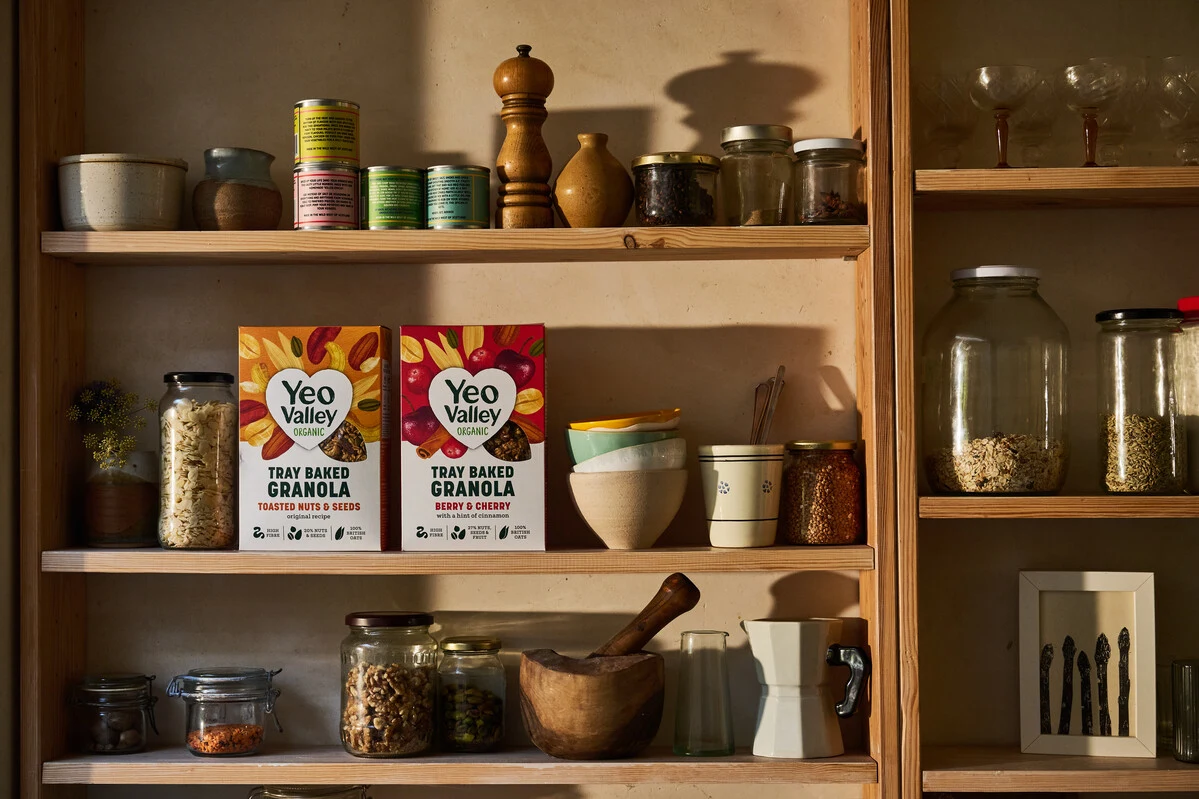
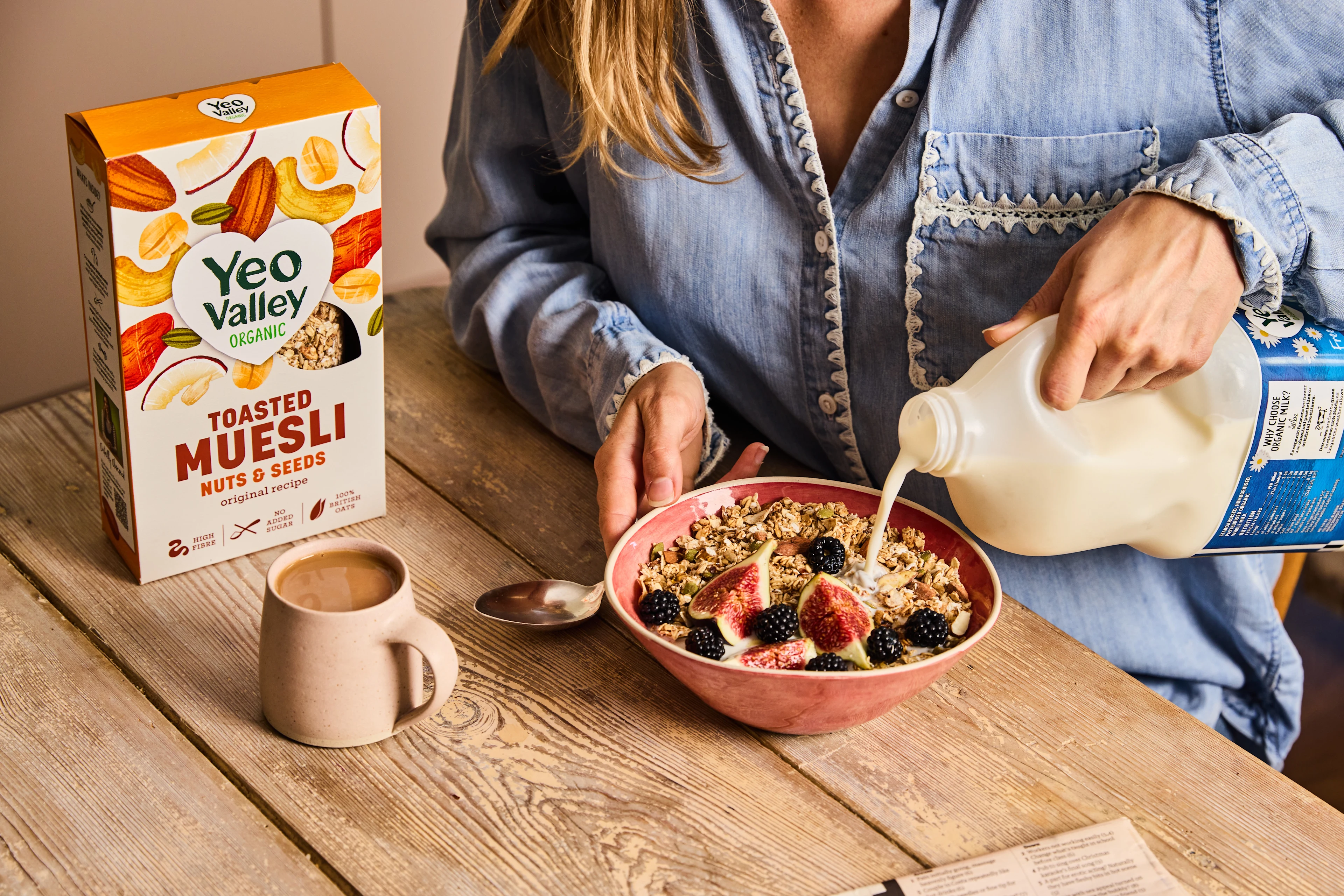
When it comes to breakfast, I always look for something that is packed with wholefoods, a good source of fibre, and that is going to give me sustained energy. It also needs to taste great and be quick and easy to fit in with the morning rush, and the Yeo Valley Organic muesli ticks all these boxes.
As a nutritionist, I often get asked, "Is muesli healthy?" The answer can be, but not all muesli is created equal. Many varieties contain added sugars or highly processed ingredients. It can certainly be part of a healthy breakfast and something I enjoy regularly, particularly ones like the Yeo Valley Organic Muesli, which don’t have added sugar and have a diversity of grains, nuts and seeds. In a world of over-processed cereals, muesli is refreshingly simple. The thing I particularly love about muesli, however, is the good dose of fibre you get in every bowl.
Why is fibre so important at breakfast?
Fibre not only feeds your gut microbes to support gut health, but research shows that diets high in fibre are linked to good heart and metabolic health. Another great thing about fibre is that it slows the release of energy from food, keeping you feeling fuelled for longer and less likely to experience those dips in energy after meals.
Breakfast is a great opportunity to hit your fibre goals as getting in foods like nuts, seeds and oats can be simple. If you don’t get enough fibre at breakfast, it can be challenging to get enough throughout the rest of the day. Current advice is that we should be aiming for around 30g of fibre daily. One portion of the Yeo Valley Organic nuts and seeds muesli will give you 4.17 g fibre, and with some fresh fruit to top you off to a good start.
Why does fibre diversity matter?
Different types of fibre have different health benefits. The best way to get in the diversity is to eat a variety of plants such as wholegrains, nuts, seeds, fruits and veggies. In the Yeo Valley Organic toasted nuts and seeds muesli, there are 7 different plants that all contain fibre. Making diversity easy and delicious.
However, it’s not all about fibre, the natural ingredients found in the Yeo Valley Organic muesli, such as the sunflower seeds, pumpkin seeds, almonds and cashews, also contain protein, micronutrients like iron and healthy fats (like omega 3s, which are great for brain health).
Does organic muesli taste good?
What I love most about the Yeo Valley Organic muesli is the incredible taste; it is a far cry from the dusty chewy mueslis I remember, but instead is gently toasted in small batches, which adds amazing flavour and texture. I love pairing the muesli with the Yeo Valley Organic Natural Kefir and fruit for some extra gut love.
References:
British Nutrition Foundation. Fibre. https://www.nutrition.org.uk/nutritional-information/fibre/
British Heart Foundation. Are you eating enough fibre. https://www.bhf.org.uk/informationsupport/heart-matters-magazine/nutrition/fibre
Dietary fibre intake and risk of cardiovascular disease: systematic review and meta-analysis. Threapleton et al. 2013. BMJ. https://www.bmj.com/content/347/bmj.f6879
American Gut Project. McDonal et al. 2018. https://journals.asm.org/doi/10.1128/msystems.00031-18